
Cryotherapy
Precision Cooling for Ultimate Relief
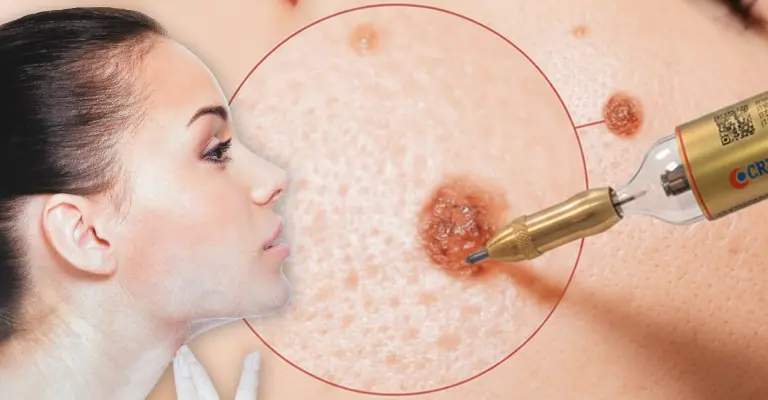
DEFINITION OF CRYOTHERAPY
Cryotherapy comes in many forms; it is the use of cold and freezing techniques to treat the body. Athletes use Cryotherapy during training and at events to prevent and treat injury. It is used in medicine both to treat injury and to remove tumours and other lesions effectively and safely. Cryotherapy is an effective treatment for removing skin lesions effectively and safely. Using extreme cold to cause controlled destruction of unwanted tissue in a precise application method.
ADVANTAGES OF CRYOTHERAPY
- Rapid process treatment only takes 1-2 minutes.
- Sterile no incision or skin cutting, no bleeding zero risk of infection (from the treatment)
- Analgesic effect: extreme cold reduces pain perception due to nerve effects.
- Little to no collateral skin damage.
- Excellent results- well established in the medical field, used for well over 200 years.
- Accepted as the gold standard treatment to remove most skin lesions.
TREATING LESIONS
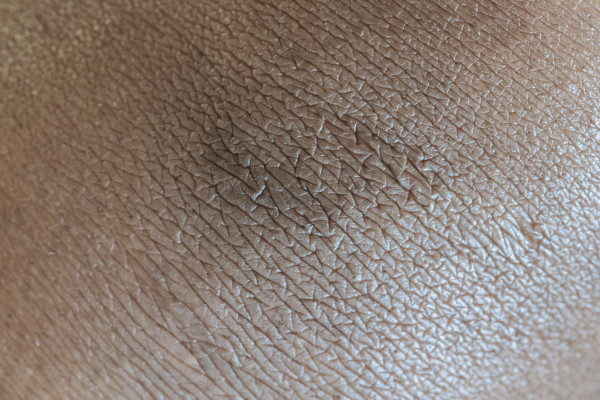
PIGMENTATION
If the patch of pigment is the same texture and flat as normal skin this can then be treated using cryotherapy. These patches are caused by exposure to UV light, causing an increase in melanin production by the melanocyte cells.
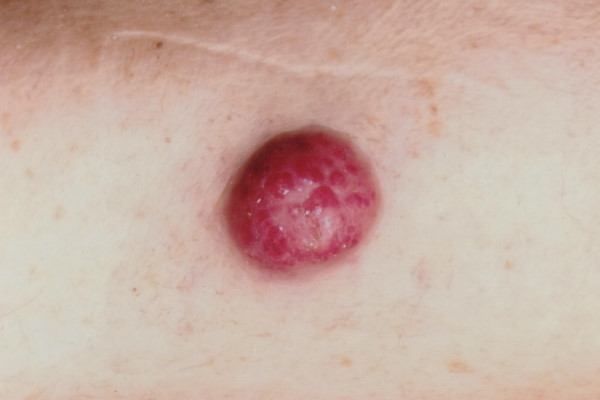
CHERRY ANGIOMA
These may also be called Blood Spots or Campbell de Morgan. They are generally found in people over the age of 30, and the cause is unknown. But they are seen in increased numbers in people exposed to some chemicals, and the proliferation of small blood vessels, which loop through the epidermis to be seen during pregnancy. They are benign and are easily treated. They are made up of the surface of the skin. They are usually bright red in colour and are often less than 1mm in height, although they can increase in size over time. Cryotherapy treatment will most often remove the lesion with a single treatment.

MILIA (MILLIUM)
These are generally small raised pearly bumps often seen around the eyes, or on the cheeks and foreheads. But they can appear anywhere on the body. They are common in newborns, but these will clear away by themselves as the infant starts to metabolise food correctly. The milia themselves are raised above the flat of the skin and consist of a tiny cyst-like structure filled with keratin (skin protein). Often found in clumps, although each will be a discrete bump. Usually no more than 1-2mm and may be pearly white or yellowish in colour. They are harmless and will often clear away without any treatment, but can be unsightly, and people often will opt for treatment to have them removed.

SKIN TAGS
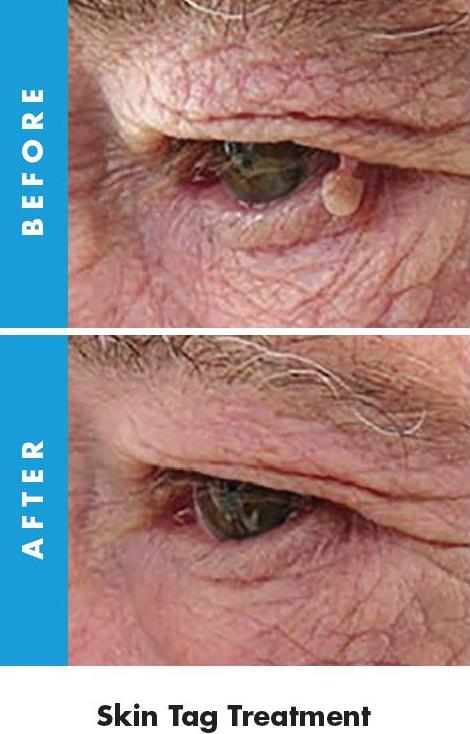
These are small flaps of skin, that protrude and hang away from the flat of the skin often with a stalk or pedicle. They are benign and are not at all dangerous. They are most likely caused by bilateral rubbing, as they are usually seen in places with friction. More often seen in females, as they are more likely to wear items which cause friction to the skin. They may be any size, most often small up to a few millimetres in size but can grow to be large. Most often seen around the neck or in the axillae, groin or under the breast. May also grow on the eyelid. They are the most common minor skin lesions; it is estimated that 50% of the UK population has skin tags.

WARTS AND VERRUCAE
Warts and Verrucae are caused by the same strain of the Human Papillomavirus. (HPV) This is the same group of viruses that are associated with genital warts, which are the underlying cause of cervical cancer. There are approximately 14 slightly different viruses, and the normal skin virus, which causes warts and verrucae, is usually one of 2 (type V and VII). The virus only infects the outer layer of the skin, the stratum corneum; it does not invade the underlying layers. As the wart grows, it will protrude away from the skin and penetrate the skin by pushing the other layers of the skin apart. (A diagnostic tool is to look for skin striations, which will go around the lesion rather than through it).
The height of the lesion is often seen to be matched by the depth of penetration. Verrucae are the same as warts, but are flattened into the skin due to pressure from footwear and walking on the lesion. As they are caused by a virus, they are contagious, and although they cannot be prevented in many people, if your skin is kept in good condition, then it is less likely to become infected. Most will clear up on their own without treatment, but may take a long time.
It is possible that there will be a reduction in the number of these lesions seen as vaccination against HPV increases.
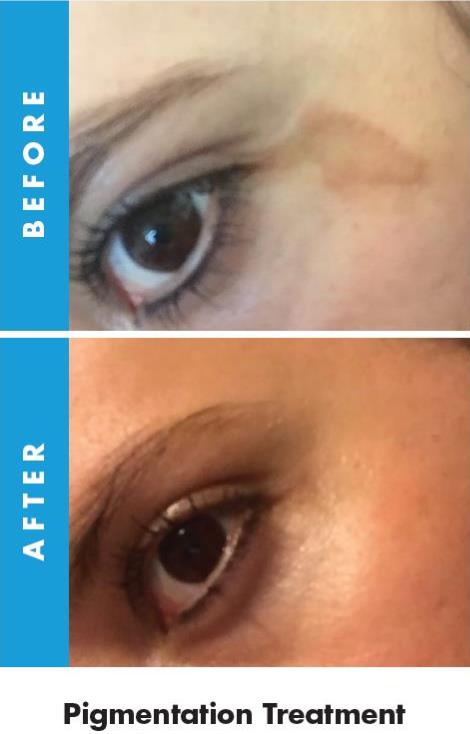
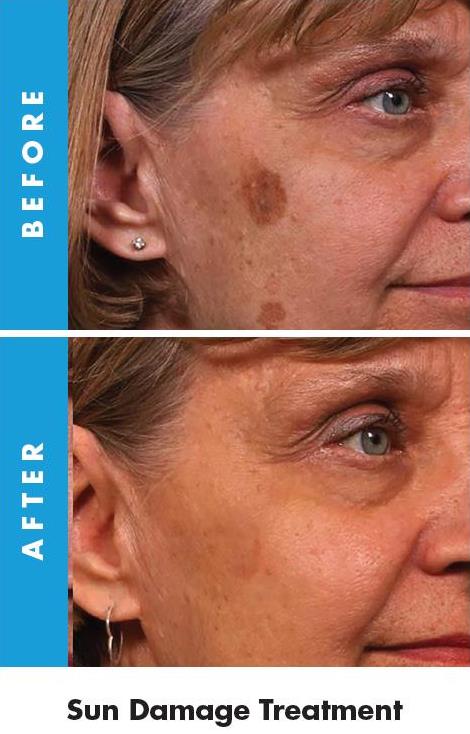
Pigmentation Treatment
Skin Tag Treatment
Sun Damaged Treatment
Treatments are administered by Angela Tunstall who is a fully qualified aesthetician and skin specialist.
Contact us on 01423 709040 to book a FREE consultation.
SALON OPENING TIMES
CONTACT US
on request
![Shot0008[1]](https://renaissance-harrogate.co.uk/wp-content/uploads/elementor/thumbs/Shot00081-q0vy494epxvpmkruoodjkfnfows3yheppsq23rb5rg.jpg "Shot0008[1]")
Copyright © 2026 – Renaissance Harrogate.
Website by Rankforce Digital – Privacy Policy